
- 7 July 2025
- Posted by: admin
- Category: General
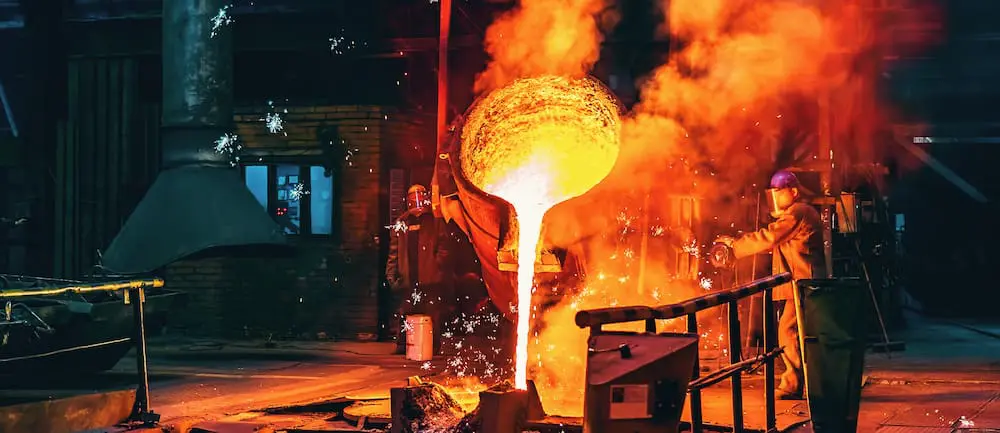
Chemicals used in the foundry, metal, and machinery industries are employed to enhance the quality of production processes, make surfaces workable, prevent wear, and extend product lifespan. Chemical usage in these sectors covers many stages, from foundry preparation to surface treatment and cooling. These chemicals play a critical role both on the production line and in the quality of the final product. The products we supply are listed below:
Alcohol Group Products:
- Isopropyl Alcohol (IPA – 100% pure)
- N-Propanol (IPA substitute – 100% pure)
- Foundry Alcohol (100% pure)
Glycol and Oils:
Thinner Group Products:
Cleaning and Surface Preparation:
- Descaler
- Pre-Paint Cleaning Solvent
Other Products:
- BenzylAlcohol
- ButylAcetate
- ButylDi Glycol Acetate
- ButylGlycol
- Ethanol
- Heptanol
- Hexanone
- Isopropanol
- Turpentine
- Tetralin
- Trichloro
- Perchloro
- PAO 6
- PAO 100
- Triethanolamine
- DistilledTallowFatty Acid
- Monoethanolamine
- Oleic Acid (TOFA)
- MonopropyleneGlycol
- Diethanolamine (InDrums)
- ButylDi Glycol
- Boric Acid
- IsophthalicAcid
- Sodium Hydroxide (Caustic Soda Flakes)
Below, the main chemicals used in the foundry, metal, and machinery sectors and their applications are detailed:The main chemicals used in the foundry, metal, and machinery sectors and their applications are detailed below:
Chemicals Used in the Foundry, Metal, and Machinery Sectors and Their Applications
1.Mold and Core Chemicals (Foundry Chemicals)
Used to prepare molds and cores in the casting process.
Resins (Phenolic, Furan, Alkaline Phenolic):To bind sand
Hardening Agents (Acid or salt-based):Harden the resins
Release Agents (Die Release Agents):Prevent molten metal from sticking to the mold
Usage:In the preparation of sand molds and cores, ensuring easy separation after metal casting.
2.Cutting & Cooling Fluids
Provides cooling and lubrication during cutting in metalworking machines.
Water-based coolants:Reduce heat during chip removal
Oil-based cutting fluids:Reduce friction, extend tool life
Synthetic and semi-synthetic fluids:Reduce bacterial growth, environmentally friendly
Usage:In CNC machines, lathes, milling machines, and other metalworking machines
3.Corrosion Inhibitors
Prevents oxidation and rusting of metal.
Rust-preventive oils and sprays
Film-forming water-based inhibitors
Under-coating corrosion inhibitors
Usage:Ensures products remain durable during storage, transportation, and use
4.Surface Cleaners and Degreasers
Cleans oil, dust, and residues from metal surfaces.
Alkaline cleaners
Solvent-based degreasers
Water-based, environmentally friendly cleaners
Usage:Used for surface preparation before painting, coating, and welding processes
5.Coating & Painting Chemicals
Increases the resistance of metal surfaces to external factors and provides an aesthetic appearance.
Electrostatic powder coatings
Epoxy, polyester, acrylic resins
Primers and surface coatings
Usage:In part painting and creating external protective layers
6.Heat Treatment Salts and Hardening Agents
Used in metal hardening and tempering processes.
Sodium nitrate/nitrite-based salt baths
Carburizing chemicals
Hardening oils
Usage:In heat treatment furnaces to increase the durability and hardness of metal
7.Welding Auxiliary Chemicals
Improves welding quality and provides protection.
Welding pastes and fluxes
Gas-shielded welding protectors
Anti-spatter sprays
Usage:In MIG, TIG, and arc welding; for a smooth and clean weld surface
| Process | Chemicals Used |
|---|---|
| Foundry mold preparation | Resins, hardeners, release agents |
| Metalworking | Cooling fluids, cutting oils |
| Surface preparation | Degreasers, cleaners, alkaline baths |
| Corrosion prevention | Rust-preventive oils, water-based film-forming inhibitors |
| Heat treatment | Salt baths, carburizers, hardening fluids |
| Welding processes | Welding pastes, anti-spatter agents, protective gas additives |
| Painting and coating | Powder coatings, epoxy-acrylic resins, primer chemicals |
