
- 7 July 2025
- Posted by: admin
- Category: General
No Comments
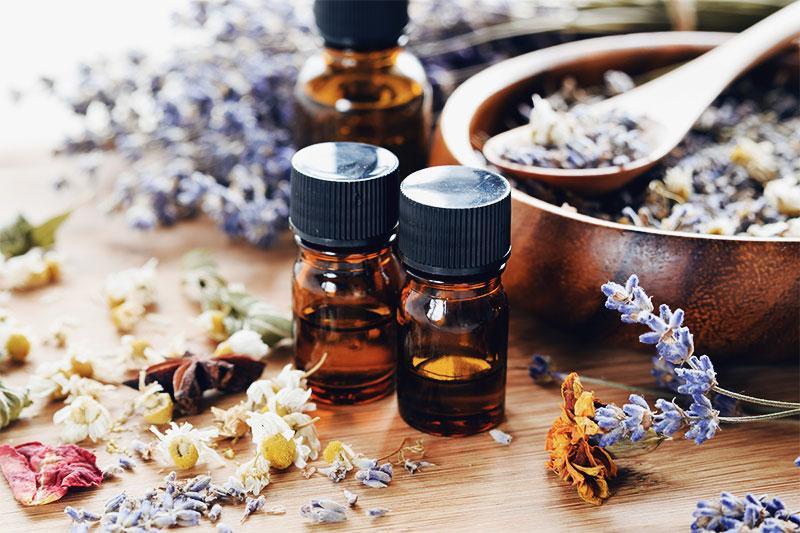
Chemicals Used in the Fragrance and Aroma Industry and Their Applications
The fragrance and aroma industry covers the production of scent and flavor components used in cosmetics, cleaning, food, perfumery, and personal care. The chemicals used in this sector can be of both natural and synthetic origin and play a critical role in creating characteristic scent/flavor profiles. The products we supply are listed below:
- Glycerin (A Grade – Pharma Grade)
- Mono Propylene Glycol (MPG)
- Fructose (Glucose Syrup)
Professional Fragrance Groups We Serve
- Essences for perfumes and cosmetic products
- Essences for baby care products
- Essences for personal care and cleaning products
- Essences for industrial and household cleaning products
- Essences for incense, bakhoor, bamboo, toys, and mosque fragrances
- Special essences for packaging, paper, garbage bags, cat litter, stationery products
- Essences for car perfumes, in‑vehicle cleaning products, and polishes
- Customized scent solutions for corporate spaces
Essential Oil and Plant Oil Solutions
- Varieties of aromatic and essential oils
- Plant‑based essential oils
Chemicals and Applications in the Fragrance & Aroma Sector
1. Fragrance & Flavor Raw Materials
Scent/flavor components obtained naturally or synthetically.
- Natural essential oils: Lavender, lemon, mint, orange oil, etc.
- Aldehydes: Add brightness to synthetic scents (e.g., cinnamic aldehyde)
- Alcohol derivatives: Benzyl alcohol, linalool, geraniol as scent carriers
- Esters: Fruity and sweet notes (e.g., ethyl butyrate)
- Ketones: Floral and woody notes (e.g., musk ketone)
2. Solvents
Dilute essences and ensure homogeneous distribution.
- Ethanol: Most common solvent, especially in perfumery
- Dipropylene glycol (DPG): Reduces volatility and stabilizes
- Triethylene glycol: Used in room fragrances and evaporative systems
- Propylene glycol (PG): Used to mix flavors into food
3. Fixatives & Carriers
Increase scent longevity and balance volatility.
- Musks: Provide stability to natural or synthetic scents
- Benzyl salicylate, Iso E Super: Fixatives in perfumery
- Glycerin: Carrier in food and cosmetic aromas
- MCT oil (Medium‑chain triglycerides): Carrier for flavors (food, vaping, etc.)
4. Flavor & Fragrance Enhancers
Boost the intensity of scent or taste.
- Vanillin, ethyl maltol: Sweet flavor enhancers in food aromas
- Menthol: Cooling effect
- Caramelized compounds: Add depth to fragrance profiles
5. Emulsifiers & Stabilizers
Enable essences to dissolve and disperse in liquid systems.
- Polysorbate 20 / 80 (Tween): Dissolves essences in water‑based products
- Lecithin: Natural emulsifier in food flavors
- Gum arabic: Binder and carrier in powdered flavors
6. Preservatives
Prevent microbial contamination and extend shelf life.
- Benzoic acid, sorbic acid: In food and beverage flavors
- Phenoxyethanol: In cosmetic products
- Potassium sorbate: In liquid aromatic solutions
| Usage Area | Chemical Types |
|---|---|
| Perfumery | Essential oils, aldehydes, esters, fixatives |
| Food flavors | Esters, flavor enhancers, carrier oils, emulsifiers |
| Room fragrances | Ethanol, DPG, fixatives, solvents |
| Cosmetic products | Musks, alcohol derivatives, preservatives, glycerin |
| Cleaning products | Synthetic essences, solvents, stabilizers |
